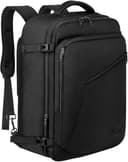
The two published figures, ranked
Here is every pack above against the two proxies, using the makers’ own published numbers. Bag height first, because that is the one that decides whether a hip belt lands on your hips:
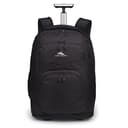
- High Sierra Freewheel Pro 40L — 21.6 in tall (21.6 x 15.6 x 10 in), 15 in sleeve, 5.3 lb. The tallest back panel here, and the only wheeled pick.
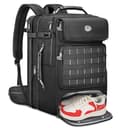
- MATEIN 52L Expandable — 21 in tall (21 x 13 x 9 in closed, 10.5 in deep expanded), 17.3 in sleeve, 3.42 lb. Tall panel, biggest sleeve, most capacity, lowest price of the three that publish an exterior.
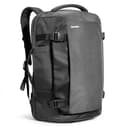
- tomtoc Navigator-T66 40L — 20.5 in tall (20.5 x 13 x 9 in), 17.3 in sleeve, 2.65 lb. Half an inch shorter than the MATEIN, 0.77 lb lighter, and the best published carry-on fit on the page.
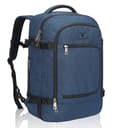
- Hynes Eagle 40L — 20.1 in tall (20.1 x 13.4 x 9.8 in), 15.6 in sleeve, 2.2 lb. The lightest full-size pack we cover at any price.
- MATEIN 40L Expandable — no published exterior.A 17 in laptop sleeve is stated; height, width, depth, weight and warranty all render “Not published,” because that is what the listing says. Treat that absence as information: a brand that will not publish a dimension would rather you didn’t check it.
On the sleeve: a 17.3-inch stated sleeve is the maker’s figure for the compartment, not a promise about your specific machine — a thick 16-inch gaming laptop can still be a tight fit. If a 17-inch machine is the binding constraint, we have a page for exactly that: best travel backpacks for a 17-inch laptop.
The carry-on box, which the tall packs pay for
Multiply the 22 x 14 x 9 inch allowance the US majors publish and it contains 2,772 cubic inches — about 45 liters of total space, including the bag’s own fabric and harness. Against that box:
- tomtoc 40L. Inside on height by 1.5 in, inside on width by 1 in, exactly level on depth. Clear on all three.
- MATEIN 52L.Inside on all three closed — which it earns by not being a 52L bag until you unzip it. Expanded to 10.5 in deep it is 1.5 in over and no longer carry-on sized.
- Hynes Eagle 40L. Inside on height and width, over on depth by 0.8 in. One axis out, and the compressible one.
- High Sierra Freewheel Pro 40L.Over on width by 1.6 in and depth by 1 in. Worth knowing on a wheeled bag, because a rigid shell cannot be squashed into a sizer the way a soft pack can — Southwest and Frontier publish larger allowances, which is who this pack is really for.
Pack to the sizer, not to the zipper. Two of these packs expand, and expansion is genuinely useful on the return leg and genuinely dangerous at the gate. Your carrier’s own published number is in the carry-on size guide.
Weight, where this band quietly beats the premium field
Capacity per empty pound: Hynes Eagle 18.2, tomtoc 15.1, MATEIN 52L 15.2 expanded, High Sierra Freewheel Pro 7.5. For comparison, an Osprey Farpoint 40 manages 12.9 and a Peak Design Travel Backpack 45L 10.0. The cheap soft packs are the most weight-efficient bags on this site, because structure, metal hardware and coated shells are precisely what cost money and weight.
Against the 7 kg (15.4 lb) cabin allowance Emirates and Qantas publish, these packs spend 14, 17, 22 and 34 percent of your allowance empty. The spread between the lightest and the wheeled pick is 3.1 lb, which is about two days of clothing — the strongest argument against wheels for anyone flying outside the US. The figures by airline are in carry-on weight limits by airline.
What the hip belt is, and is not, at this price
Every soft pack here has a hip belt. They are not the same object. A load-bearing belt is shaped, padded and anchored to a structured back panel with a frame sheet, so weight travels into your pelvis; a budget belt is usually webbing sewn to the bag body, which stabilizes the load without carrying it. No maker in this band publishes a figure for the difference, so we state it as a distinction rather than a spec.
The practical consequence for a longer torso is specific: if the panel is too short, the belt rides above your hip bones and onto soft tissue, where it cannot transfer load however well it is padded. That is the single most common cause of a travel pack hurting, and it is a fit problem rather than a bag problem — the mechanism and the strap order that fixes most of the rest is in why your backpack hurts your shoulders, and the product answer is travel backpacks with a hip belt.
What $100 does not buy
A warranty, mostly. Of the five picks, the tomtoc states one year (two with registration), High Sierra states a limited five-year global warranty on the Freewheel Pro, and the Hynes Eagle, MATEIN 40L and MATEIN 52L publish no term at all. When a budget bag fails, the trip is over for that bag. Across enough trips a repaired pack is genuinely the cheaper purchase, which is the honest case for stepping up to the under-$200 band, where Osprey’s All Mighty Guarantee starts appearing — and to the full men’s field at any price on best travel backpacks for men.
It also does not buy a published material you can compare. Where fabric is stated at all in this band it is water-repellent polyester rather than nylon ripstop, and no listing publishes a denier figure worth putting side by side.
The $20 addition that beats changing bags
Buy packing cubes with whichever pack you choose. Budget packs have fewer internal dividers than premium ones, so organization is the real usability gap, and a cube set closes it for the price of a lunch. Cubes also make a soft pack hold a squarer shape against a sizer, which matters more here because one of these five publishes no dimensions to check.