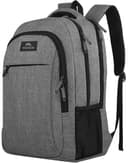
The three tiers of “anti-theft”
Tier 1 — Deterrent features (the budget field)
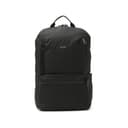
A concealed pocket against your back, a zip that faces inward, maybe a small combination lock loop. These stop the opportunist: the hand that tries an outer pocket on a crowded metro and moves on when it doesn’t open instantly. That is genuinely the most common theft scenario a traveler faces, which is why this tier is not a scam — it is simply the cheapest 80% of the answer. It stops nothing at all if a bag is left unattended.
Tier 2 — Locking hardware and RFID (the mid field)
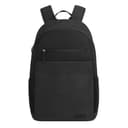
Zip pulls that clip or lock together, sometimes a cable to secure the bag to a chair leg, plus an RFID-blocking pocket for cards and passport. Locking zips are the meaningful upgrade here: they convert a two-second theft into a ten-second one, and ten seconds is far more than a pickpocket in a crowd will spend. This is the tier most travelers should buy, and it costs a fraction of the top tier.
Tier 3 — Slash-resistant construction (Pacsafe and peers)
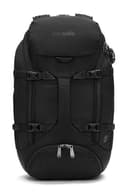
A wire or composite mesh laminated into the fabric panels, reinforced shoulder straps that resist being cut, locking zips as standard. This is the only tier that addresses bag slashing— where a thief cuts the fabric rather than opening it — and the only tier where leaving a bag secured to a fixed object is meaningfully safe. It is heavier and considerably more expensive, and for most trips it is more security than the risk warrants.
A word about RFID blocking
RFID-blocking pockets are on nearly every bag in this category and are worth approximately what they cost, which is nothing. Contactless card fraud by proximity skimming is rare compared to ordinary card theft and ordinary online fraud, and modern chip-and-PIN cards limit what a skimmed read is worth. Treat an RFID pocket as a small bonus, never as a reason to choose one bag over another. If a listing leads with RFID as its headline security feature, it usually means there isn’t a better one to lead with.
If you have not yet decided whether to buy into this category at all, that is the prior question and it has its own page: are anti-theft backpacks worth it works through what each of the four features actually prevents, and names the trips where the answer is honestly no.
How to choose the right tier for your trip
Match the bag to the risk, not to the anxiety. A useful way to think about it:
- Rural travel, road trips, quiet destinations: Tier 1, or no anti-theft bag at all. Buy a normal pack you like and carry it sensibly.
- Most city travel, including Europe’s big tourist centers: Tier 2. Locking zips on your day bag and basic awareness handles the realistic threat.
- Extended travel through known-high-risk areas, or carrying expensive gear: Tier 3, and specifically on the bag you carry open in crowds.
Both of our Pacsafe picks sit in Tier 3 and they are not alternatives to each other — one is a 20L day bag and one is a 35L main pack. Metrosafe X 20L vs Venturesafe EXP35 settles which of the two your trip actually needs, and the answer is usually the smaller one.
Secure the day bag, not the main bag
This is the point most anti-theft roundups get backwards. Your main travel pack spends almost its entire life either on your back while you walk or locked in accommodation. Your day bag is the one that sits open on a bench, hangs off a café chair and rides a packed metro. If you are buying one security bag, buy the small one. That is why our top pick is a 20L daypack and not a travel pack — and why the 35L anti-theft carry-on, while excellent, is a specialist buy for people whose whole trip is high-risk urban.
The habits that outperform the hardware
No bag beats behavior, and it is dishonest to sell one as if it does. Wear your day bag on your front in crowds and on transport. Never put anything you would mind losing in an outer pocket. Split your money and cards between two places so a single loss isn’t a trip-ending one. Keep a photo of your passport somewhere you can reach without your bag. Do that consistently and a Tier 1 bag is fine; skip it and a Tier 3 bag left on a chair will still be gone.
One piece of hardware is worth getting right on whatever bag you own, including one with none of this built in: the lock. How to lock a backpack covers which zippers can be locked and which cannot, what to do with a single-slider pull, and how to anchor a bag in a hostel or on a night train.
What you give up by buying anti-theft
Two things, and they are real. Weight: security mesh and reinforced straps add it, and you carry that on every trip including the safe ones. Convenience: locking zips are slower to open, which is the entire mechanism by which they work, and that friction is aimed at you as much as at a thief. If either bothers you more than the risk does, buy a normal pack from our main roundup and carry it carefully — that is a perfectly defensible choice.